
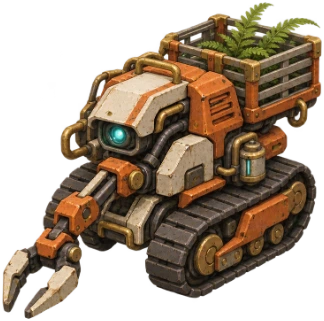
Deck tender
Spindle
Harvests ripe hydroponic cultures and unloads returning survey drones, even while you explore.
Blueprint · Scan your first landing-site record on any world.
Assembly · 2 servo joints, 1 logic board, 1 flux cell
Field guide · Kestrel workshop
Build a crew of five aboard the Kestrel. Rivet repairs the hull, Mallow tends injured wildlife and Spindle handles harvests and cargo. On the surface, Pip collects samples and Glint maps backcountry observation sites.
Play Starward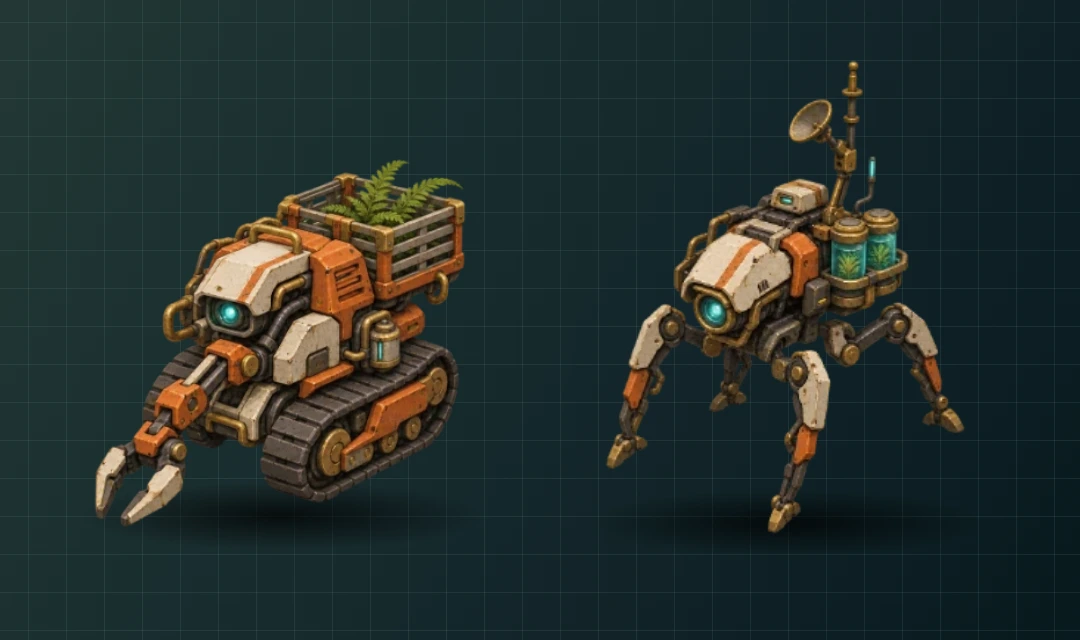
Deck tender
Harvests ripe hydroponic cultures and unloads returning survey drones, even while you explore.
Blueprint · Scan your first landing-site record on any world.
Assembly · 2 servo joints, 1 logic board, 1 flux cell
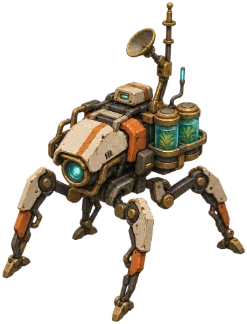
Field sampler
Collects a local sample with each new landing record or backcountry observation. When your pack fills up, Pip can carry three spare samples.
Blueprint · Restore a survey relay in any backcountry region.
Assembly · 1 servo joint, 2 logic boards, 1 flux cell
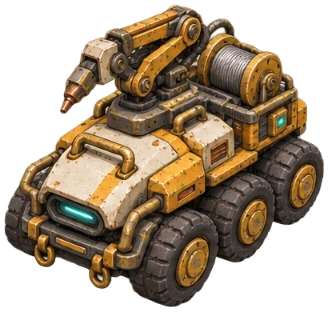
Hull mechanic
Keeps watch at the maintenance bay. Aboard ship, Rivet fits a loaded patch when hull integrity falls to 65% or below, restoring 35 hull.
Blueprint · Install the Kestrel’s flight core.
Assembly · 3 servo joints, 1 logic board, 1 flux cell
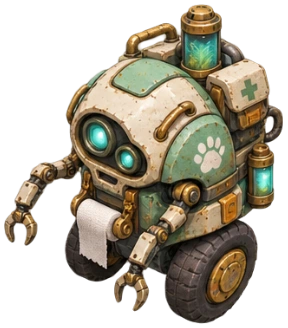
Habitat medic
Tends injured wildlife in the science deck habitat. One loaded dressing returns one creature to the healthy population, even while you explore.
Blueprint · Bring your first captured creature aboard.
Assembly · 2 servo joints, 2 logic boards, 1 flux cell
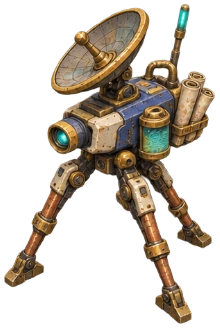
Trail cartographer
Sets up at backcountry trail junctions. Use your survey scanner or contact Glint to spend one charge and mark the region’s unlocated observation sites. Visit each site to collect its evidence.
Blueprint · Publish your first regional study at the spectrometry bench.
Assembly · 1 servo joint, 3 logic boards, 1 flux cell
Plant an unlocked culture in hydroponics or dispatch a survey drone from the hangar. Spindle harvests or unloads when the job is ready. A harvest needs four free cargo slots and restores oxygen and provisions. A drone delivery needs six slots. If the pack is full, the load waits until you make room.
Pip brings back one unit of the local supply with a new landing record or backcountry observation. On Verdara Prime that’s biomass. When the pack is full, Pip can seal up to three spare samples in its own canisters.
Each specialist holds three loads. Visit the robot or either robotics station to stock it. At the engineering deck’s maintenance bay, load three ferrite into Rivet for one patch. When you’re aboard and the hull reaches 65% or lower, Rivet restores 35 hull. Mallow works beside the wildlife habitat, using one two-biomass dressing per injured resident.
Load one flux cell into Glint for a survey sweep. Use your scanner in a backcountry region or contact Glint at its trail junction. The sweep marks the remaining observation sites on that region’s map. You still visit each site to collect evidence. Glint keeps the charge if every observation is already located.
Turn toward your nearby helper and look at its lens. When the visor names the robot, press E, use Interact on touch, or press A on a controller. In overhead view, select the robot directly.
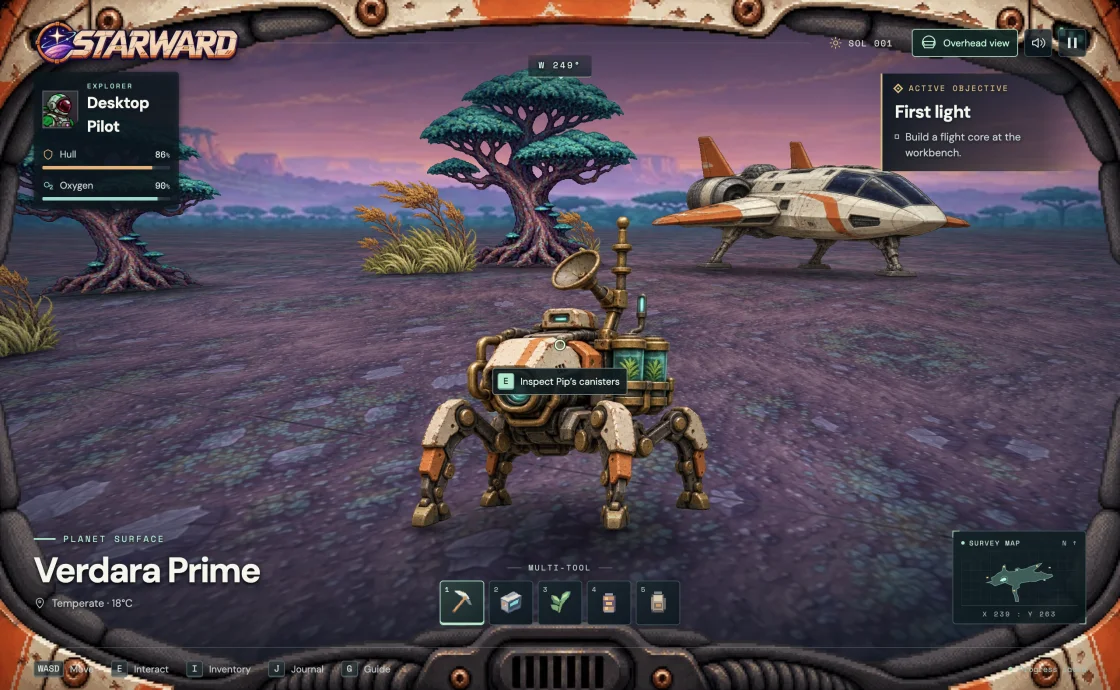
Open Pip’s canisters to see the materials inside. Unloading transfers the oldest samples first, up to the free space in your pack. Visit Spindle beside hydroponics to choose whether it harvests cultures, unloads drone cargo, or does both. You can also manage assignments and canisters at either robotics station.
Pilot’s handbook
Your first landing, survival basics, controls, and saving.
ReadEvery step from the trail junction to a published study.
ReadWhere to mine and gather six materials and what you can make from them.
ReadFind each wreck, operate its tethered crawler, and recover its departure chart.
ReadRecognize each planet’s species, handle an encounter, and treat injured creatures aboard the Kestrel.
ReadHull upgrades, new decks, engineering designs, and suit loadouts.
ReadSaving, touch controls, rescue pods, fuel, and more.
Read